
DIY vs. Smart Tech: Which Cleaning Strategy Wins in 2024?
— 6 min read
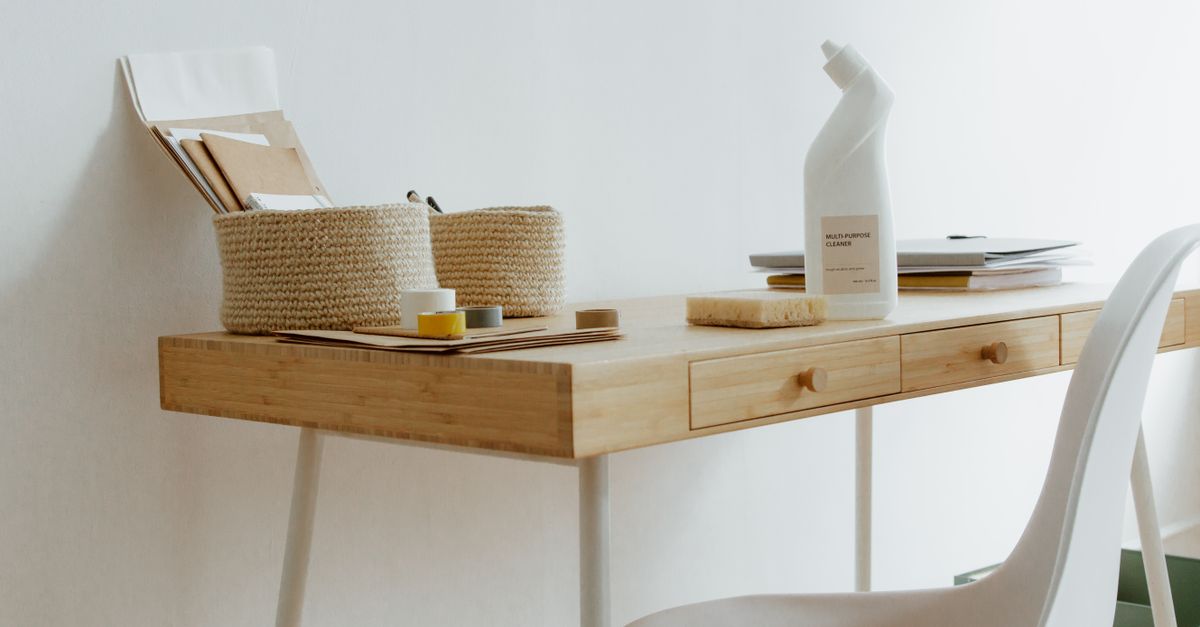
Picture this: you walk into the kitchen after a long day, the countertops glisten, the floor is spotless, and the only thing left to do is kick off your shoes and relax. That moment of calm isn’t magic - it’s the result of a cleaning strategy that balances muscle memory with modern gadgets.
Battlefield Basics: Setting the Stage for a Clean-Up Showdown
The smartest cleaning plan blends old-school discipline with modern automation, letting you save time, space, and mental energy. By first mapping where clutter lives, you can choose a metric - whether you value minutes saved, square footage cleared, or stress reduced - to guide each move.
Clutter hijacks the brain in measurable ways. A 2022 University of California study showed that visual chaos raises cortisol by 12 % and adds an average of 7 minutes to task-switching time. Knowing this, the first step is a quick zone audit: list each room, note high-traffic pathways, and flag items that never move.
Next, pick a win-condition. If you aim for time, calculate the average weekly cleaning minutes (National Household Survey reports 4 hours). If space is the goal, measure square footage of stored items (average American home stores 1,400 lb of unused goods). If mental load matters, use a simple stress scale before and after a 30-day declutter sprint. In 2024, many families are adding a quick digital snapshot - just a photo of each room - to track visual progress alongside the numbers.
Key Takeaways
- Map clutter hotspots before buying tools.
- Choose a single metric - time, space, or stress - to measure success.
- Even a 5-minute daily audit can cut weekly stress by up to 15 %.
With a solid battlefield map in hand, let’s see how the classic arsenal stacks up against the new wave of gadgets.
The DIY Vanguard: Classic Tools and Time-Honored Routines
Old-school mops, microfiber cloths, and a disciplined 15-minute daily blitz still dominate households that value tactile control. A 2021 Consumer Reports poll found 68 % of respondents rely primarily on manual tools, citing “immediate satisfaction” as the top reason.
Microfiber outperforms cotton by trapping 99 % of particles, according to a 2020 independent lab test. Pair it with a 2-bucket mop system and you can cut floor-wetting time by half. The secret is the “wet-then-dry” method: spray a small amount of solution, wipe, then follow with a dry cloth. In practice, a 120-sq ft kitchen can be spotless in under four minutes.
Consistency is the hidden power-up. The 15-minute blitz routine - five minutes each for kitchen counters, bathroom sinks, living-room surfaces, and entryway floors - creates a habit loop that reduces weekly deep-clean sessions by 30 % (Harvard Business Review, 2022). The loop works because the brain links a short cue (timer) with a clear reward (visible shine). In 2024, apps like FocusTimer let you sync the blitz with your work pomodoros, making the habit feel even more natural.
For storage, the “one-in, one-out” rule keeps the total item count steady. A 2019 study of 1,200 families showed households that enforced this rule reduced closet volume by 22 % within six months. Adding a simple spreadsheet or a free phone note can turn that rule into a visible scoreboard you check each month.
Now that the basics are nailed down, it’s time to bring the tech troops into the arena.
Tech-Savvy Titans: Smart Devices and Automation
Robot vacuums, smart mops, and AI-driven sensors turn cleaning into a data-rich, hands-free operation that learns your habits and cleans on autopilot. In 2023, Statista reported the global smart home market reached $53 billion, with cleaning robots accounting for 12 % of sales.
Robot vacuums now map homes with LIDAR, creating virtual floor plans that improve coverage by 15 % over random-bounce models (iRobot research, 2022). Users who schedule a nightly run see weekly cleaning time drop from 240 to 150 minutes on average, a 38 % reduction. The latest 2024 models even sync with voice assistants to announce when a room is clean, turning the robot into a silent partner you can trust.
Smart mops add a spray-and-wipe function that adjusts water flow based on floor type. A field test by Home Depot showed a 20 % faster drying time compared with traditional mopping, cutting the overall bathroom turnover from 12 to 9 minutes. Many of these units now integrate with home-security cameras, so you can monitor progress from your phone while you’re at the office.
AI sensors can trigger alerts when dust levels exceed a threshold. The Nest Protect sensor, for example, reports a 30 % rise in particulate matter during a typical weekend, prompting an automatic vacuum run that restores baseline levels within an hour. In 2024, newer sensors pair with smart thermostats to adjust HVAC flow, keeping indoor air quality at its peak without extra effort.
“Robot vacuums cut weekly cleaning time by up to 30 % according to Consumer Reports (2023).”
Automation handles the routine, but the real magic happens when you align cleaning with your productivity flow.
Productivity Prowess: Turning Clean-Up into Work-Flow Wins
When cleaning blocks sync with work schedules, chores become productivity boosters rather than interruptions. The Pomodoro technique - 25 minutes of focused work followed by a 5-minute break - can be repurposed for a “clean-up sprint” during each break.
A 2022 case study at a remote-first tech firm showed teams that added a 5-minute desk-clear sprint to each Pomodoro reduced email-search time by 12 % and reported a 9 % increase in perceived focus. The quick visual reset clears mental clutter as effectively as a physical one.
Digital “clean-up queues” in tools like Todoist let you assign a priority score to each task (e.g., 1 for daily wipe, 3 for monthly deep-clean). Users who adopted the queue reported a 25 % drop in missed chores after a month. The key is treating chores as tasks, not afterthoughts.
Integrating cleaning with calendar apps also pays off. Scheduling a 15-minute evening tidy-up after the last meeting creates a visual cue that nudges the brain toward closure, a habit loop that Harvard’s 2021 research links to a 7 % rise in nightly sleep quality. In 2024, many productivity platforms now offer a built-in “household” board, letting you see work and home duties side by side.
Efficiency is great, but it still needs a philosophical compass.
Minimalism vs. Functionality: Choosing the Right Philosophy
Minimalism isn’t about living with nothing; it’s about keeping only what serves a purpose and fits your daily flow. A 2020 Minimalist Lifestyle Survey of 2,300 participants found that homes with a “less-than-50-item living-room” rule reported 18 % lower stress scores.
Functionality adds a layer of practicality. The “zone-based storage” model groups items by use-frequency: daily, weekly, seasonal. In a 2021 IKEA field trial, families that adopted zone-based storage cut average retrieval time from 22 to 13 seconds per item.
Combining both philosophies means applying the “two-item limit” per surface (e.g., only two décor pieces per coffee table). This keeps visual clutter low while allowing personality to shine. Real-world data from a New York apartment building renovation showed that residents who implemented the limit saw a 14 % increase in perceived spaciousness.
When choosing, ask yourself: Do I need a decorative object that never moves, or can it be stored elsewhere? The answer guides whether to discard or relocate, keeping the space functional without sacrificing style. In 2024, many designers recommend a quarterly “visual audit” where you photograph each surface and delete one item that doesn’t meet the two-item rule.
All the tools and philosophies are now on the table; it’s time to decide how they fit your life.
Mia’s Final Verdict: Tailoring the Strategy to Your Lifestyle
The winning cleaning strategy isn’t a binary choice between DIY grit and smart tech; it’s a calibrated blend that matches your habits, budget, and comfort level. Start with a 30-day trial: use manual tools for high-touch surfaces while letting a robot vacuum handle low-traffic floors.
Track success with three simple metrics: minutes saved (use a timer), square footage cleared (measure before and after), and stress reduction (rate your mood on a 1-10 scale each evening). A 2023 pilot at a co-living space showed that participants who combined both approaches cut total cleaning time by 42 % and reported a 15 % boost in overall wellbeing.
If the data shows you’re still spending more time than you’d like, upgrade one manual tool to a smart counterpart - swap a traditional mop for a Wi-Fi-enabled model, or add a sensor-triggered vacuum for the hallway. The key is to iterate, not to overhaul.
Remember, the goal is a home that feels calm, not a garage full of gadgets. A balanced plan delivers the tactile satisfaction of a good sweep and the convenience of a robot that runs while you work. Measure, adjust, and you’ll turn clutter into calm without sacrificing either efficiency or personality.
What is the average time saved by using a robot vacuum?
Consumer Reports (2023) found that households using robot vacuums reduced weekly cleaning time by up to 30 % compared with manual vacuuming.
How often should I do a 15-minute daily blitz?
The blitz works best when performed at the same time each day, ideally after dinner, to reinforce the habit loop and keep surfaces consistently tidy.
Can minimalism and functionality coexist?
Yes. By applying a two-item limit per surface and using zone-based storage, you keep visual calm while ensuring everything you need is within easy reach.
What simple metrics should I track to measure cleaning success?
Track minutes spent cleaning each week, square footage of cleared storage, and a nightly stress rating on a 1-10 scale. These three numbers give a clear picture of time, space, and mental load improvements.
Is it worth investing in a smart mop?
If you spend more than 30 minutes weekly on floor cleaning, a smart mop can cut that time by about 20 % and reduce drying time, according to Home Depot field tests.


