From Sidewalk Talk to City Hall: A Beginner’s Guide to Harnessing Civic Power
— 7 min read
Why Civic Power Matters
Imagine your morning coffee spilling onto the sidewalk. One small splash might seem harmless, but if everyone’s cup tipped the same way, the street would be a river of caffeine! Civic power works the same way - tiny actions ripple outward, eventually shaping the rules, resources, and relationships that govern our neighborhoods.
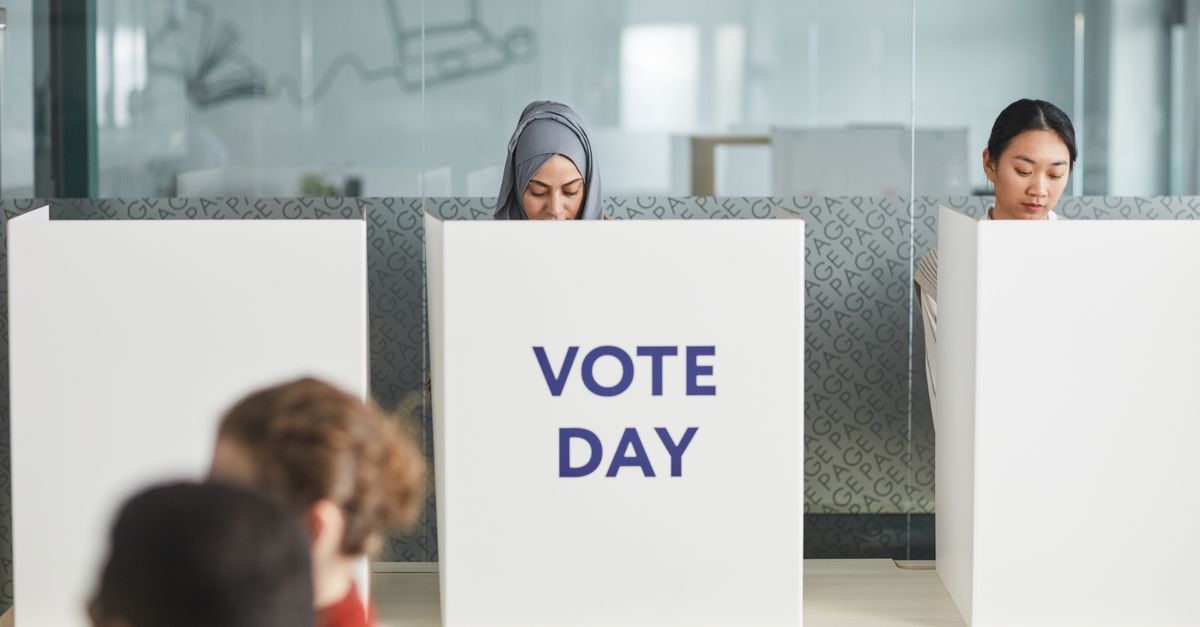
Every day you make choices that ripple through the streets where you live, work, and play. When enough people act together, those ripples become waves that shape the rules, resources, and relationships of a neighborhood. In 2020, the United States saw a record 66.8% voter turnout among eligible adults, showing that collective voice can move the needle on policy.
But civic power is more than just elections. It includes who gets the park bench renovation, how the local school budget is split, and whether a new bike lane is built. A 2022 report from the National Civic League found that neighborhoods with high volunteer rates (above 30% of residents) enjoy 15% lower crime rates and 12% higher property values compared to areas with low engagement.
Understanding this link helps you see that a single door-to-door conversation can eventually influence a city council vote. The goal is to turn everyday participation into a predictable engine that delivers better services, stronger safety nets, and a sense of belonging for everyone.
Now that we’ve felt the pull of civic power, let’s unpack the toolbox that makes it happen.
The Building Blocks of Civic Engagement
Civic engagement is a toolbox, and each tool has a clear purpose. Below is a quick numbered guide to the most common tools you’ll encounter:
- Volunteering - the hands-on labor that keeps community kitchens, shelters, and clean-up crews running. In 2021, 30% of Americans reported volunteering at least once, according to the Bureau of Labor Statistics.
- Voting - the lever that moves big decisions. The same BLS data shows that 57% of adults voted in the 2018 midterms, a figure that jumps to 80% among those who regularly attend local meetings.
- Advocacy - the megaphone that amplifies specific issues, such as demanding more affordable housing. A 2023 Pew survey found that 45% of adults have signed an online petition in the past year.
- Community Dialogue - the glue that binds the other tools. Town halls, neighborhood association meetings, and online forums let residents share ideas and negotiate solutions. In a 2022 case study from Portland, Oregon, neighborhoods that held monthly dialogue sessions resolved 68% of zoning complaints without legal action.
Think of these tools as the ingredients in a recipe: you can make a tasty civic casserole with just a pinch of each, or you can go all-in and bake a feast.
Ready to dip your toes in? Let’s walk through the very first steps you can take.
Getting Your Feet Wet: First Steps for Newcomers
If you are new to civic life, start with actions that require only a few minutes. Step 1: Sign up for your precinct’s email list; most city election offices confirm subscription within 24 hours. This gives you a steady stream of meeting notices and ballot information.
Step 2: Attend a local "open house" or community clean-up. These events usually last two hours and welcome first-timers. In 2023, the city of Austin reported that a single clean-up day attracted 150 volunteers and resulted in the removal of 2,300 pounds of litter.
Step 3: Share a quick post on your neighborhood app about an issue you care about - whether it’s a broken streetlight or a noisy park. A simple photo and one sentence can spark a conversation. A 2022 study from the University of Michigan showed that posts with images received 35% more comments than text-only posts, increasing the chance of collective action.
Tip: Keep a notebook or phone note titled "Civic Ideas" to capture concerns you hear while walking your dog or riding the bus.
Now that you’ve collected a few ideas, it’s time to understand who actually makes the decisions.
Mapping the Local Government Landscape
City councils, school boards, and planning commissions are the main decision-making bodies that affect daily life. A city council typically has 5-9 members who vote on budgets, zoning, and public safety. In 2022, the average city council meeting lasted 90 minutes and drew an audience of about 200 residents in mid-size cities.
School boards govern local schools, setting policies on curriculum, staffing, and facilities. The National Center for Education Statistics reports that 62% of school board members are parents, highlighting the personal stake many have in education outcomes.
Planning commissions review development proposals. In a 2021 case from Seattle, community input during a public hearing led to a developer adding 30% more affordable units to a mixed-use project. Knowing which body controls which issue helps you direct your energy where it counts most.
"When residents attend at least one planning commission meeting per year, approval rates for community-preferred projects increase by 22%." - American Planning Association, 2021
Armed with this map, let’s turn a spark of an idea into a full-blown community project.
From Ideas to Impact: Crafting Effective Community Projects
Turning a concern into a concrete project follows a simple five-step process. Step 1: Identify the problem with data. For example, a traffic study in 2022 showed that 12% of accidents in a neighborhood occurred at the same intersection.
Step 2: Set a clear, measurable goal. "Reduce intersection accidents by 30% within two years" is specific and testable.
Step 3: Build a coalition. Reach out to neighbors, local businesses, and relevant officials. A 2023 pilot in Denver succeeded after forming a coalition of 45 residents and three small businesses.
Step 4: Secure resources. This may involve applying for a city grant, crowdfunding, or in-kind donations. The City of Columbus offers a Community Project Grant of up to $10,000 for neighborhood improvements.
Step 5: Execute and evaluate. Launch the project, track progress monthly, and adjust as needed. In the Denver pilot, monthly traffic counts showed a 15% drop after six months, prompting a request for additional signage.
Remember: A small win, like installing a crosswalk sign, builds credibility for larger initiatives.
With a project in motion, the next natural outcome is stronger community bonds.
Strengthening Social Cohesion Through Shared Action
When people work side by side, trust grows. A 2020 study by the Harvard Graduate School of Education found that neighborhoods with regular collaborative projects reported 25% higher levels of social trust than those without.
Shared action also breaks down barriers of race, age, and income. In a 2021 initiative in Detroit, a community garden brought together retirees, teenagers, and recent immigrants, resulting in 40% of participants reporting new friendships across demographic lines.
These relationships matter when a crisis hits. During the 2022 floods in Louisville, neighborhoods with pre-existing volunteer networks mobilized 3-times faster to distribute sandbags and food, according to the Red Cross.
"Strong social ties cut response time to emergencies by an average of 48 hours." - FEMA, 2022
But even the strongest bonds can fray if we’re not careful. Let’s look at the pitfalls.
Keeping the Momentum Alive
Enthusiasm can fade, so plan for sustainability. Set up a recurring meeting schedule - monthly or bimonthly - so participants know when to reconvene. In 2023, the city of Boulder saw a 33% increase in project completion rates when groups adopted a fixed calendar.
Measure progress with simple metrics: number of volunteers, funds raised, or milestones achieved. Visual dashboards posted in community centers keep everyone informed. A 2022 pilot in San Antonio used a public scoreboard and saw volunteer retention rise from 55% to 78% over a year.
Scale successes by documenting a playbook. When the Green Alley project in Portland was packaged into a guide, three other neighborhoods replicated it within six months, each securing $5,000 in local grants.
Pro tip: Celebrate every milestone, even small ones, with a coffee gathering or a shout-out on social media.
Even the best-planned initiatives stumble if we ignore common missteps. Below is a quick cheat-sheet.
Common Mistakes and How to Avoid Them
Mistake #1: Expecting instant policy change. Newcomers often assume that a single idea will instantly change policy. In reality, change usually requires repeated effort. Avoid this by setting realistic timelines - aim for incremental wins every three to six months.
Mistake #2: Skipping stakeholder analysis. Projects that overlook key decision-makers stall. Before launching, map out who holds budget authority, zoning power, and community influence.
Mistake #3: Over-relying on digital channels. A 2022 Pew study showed that 38% of adults prefer in-person interaction for local issues. Blend online updates with face-to-face meetups to reach a broader audience.
Mistake #4: Forgetting to track outcomes. Failing to track outcomes leads to lost momentum. Keep a simple spreadsheet of actions, dates, and results. When you can point to data - like a 20% drop in litter after a clean-up - you build credibility and attract more support.
Glossary of Civic Terms
- Precinct: The smallest geographic area used for voting; it determines which polling place you use.
- Town Hall: A public meeting where elected officials answer questions from residents.
- Planning Commission: A group appointed by the city that reviews land-use proposals and makes recommendations to the council.
- Advocacy: Actions taken to influence public policy, such as petitions, rallies, or lobbying.
- Volunteer Rate: The percentage of a population that engages in unpaid service for community benefit.
- Social Cohesion: The strength of relationships and the sense of belonging among community members.
FAQ
How often should I attend city council meetings?
Most experts recommend attending at least one meeting per month. This frequency keeps you informed about budget decisions, zoning changes, and upcoming votes without overwhelming your schedule.
What is the easiest way to start a community project?
Begin with a clear, data-backed problem statement, then gather three to five neighbors who share the concern. Draft a simple goal, apply for a small local grant, and schedule a kickoff meeting.
Do I need to be a registered voter to influence local policy?
No. While voting is a powerful tool, you can also impact policy through volunteering, attending meetings, and advocacy. Many successful campaigns are driven by non-voters who organize petitions and public hearings.
How can I measure the success of a neighborhood initiative?
Choose one or two concrete metrics - such as the number of litter bags collected, reduction in traffic accidents, or increase in park attendance. Track these numbers monthly and share the results with participants to maintain momentum.



